Whale Shark
The Ultimate Whale Shark Diving Guide in Chumphon
Get to know Whale Shark
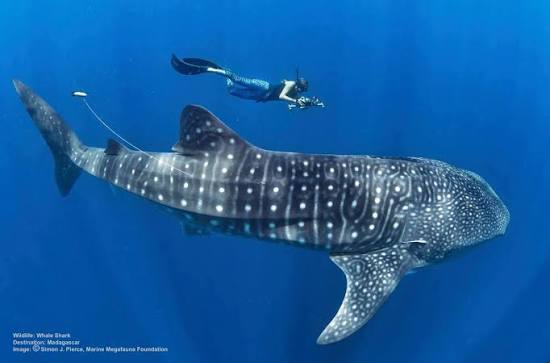
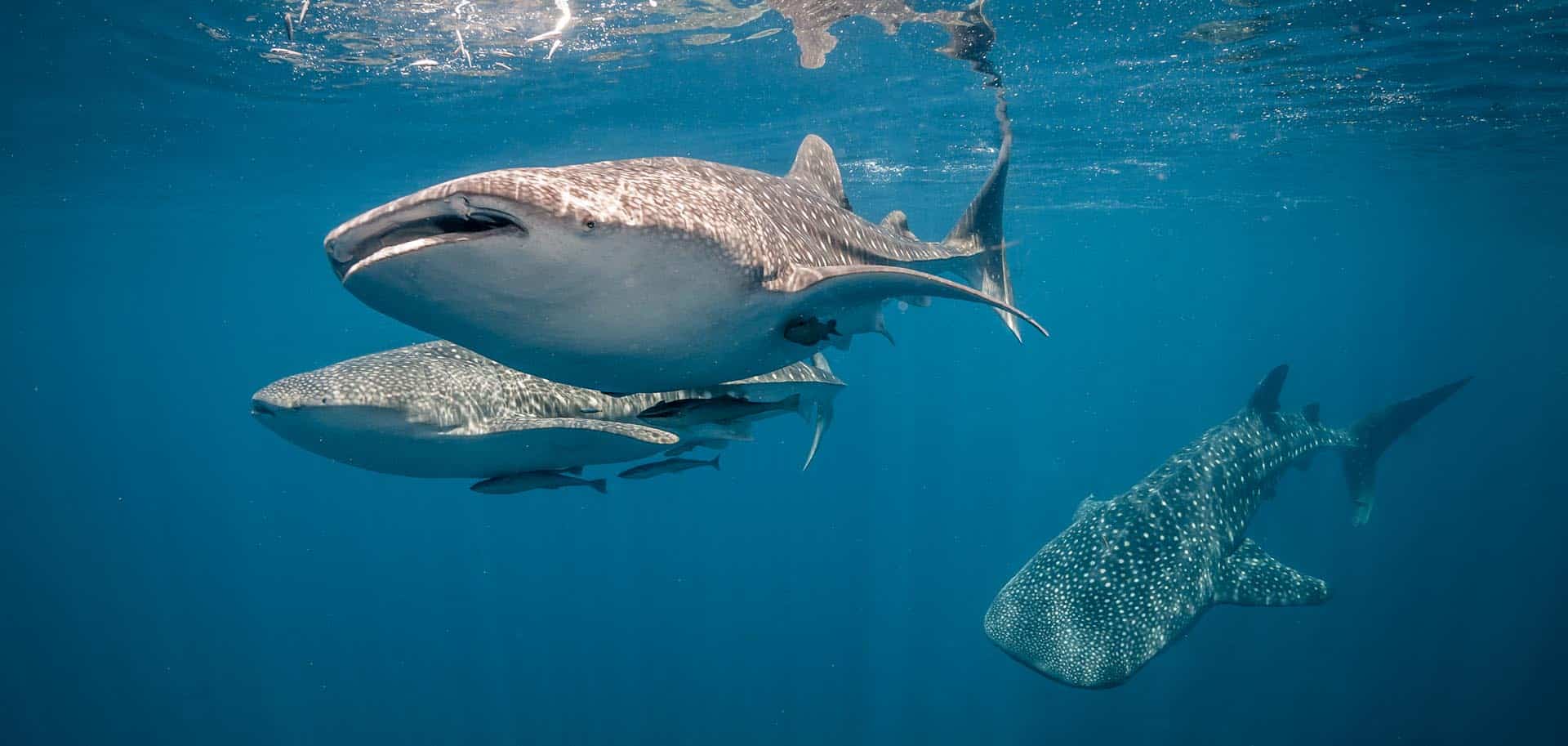
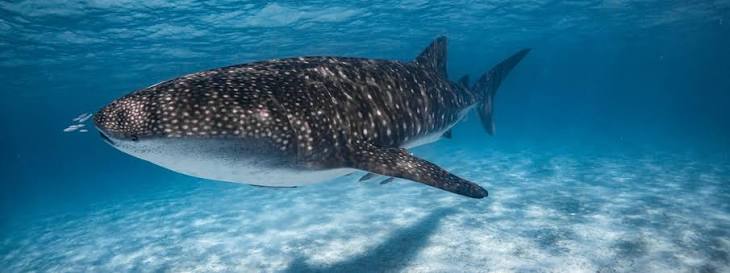
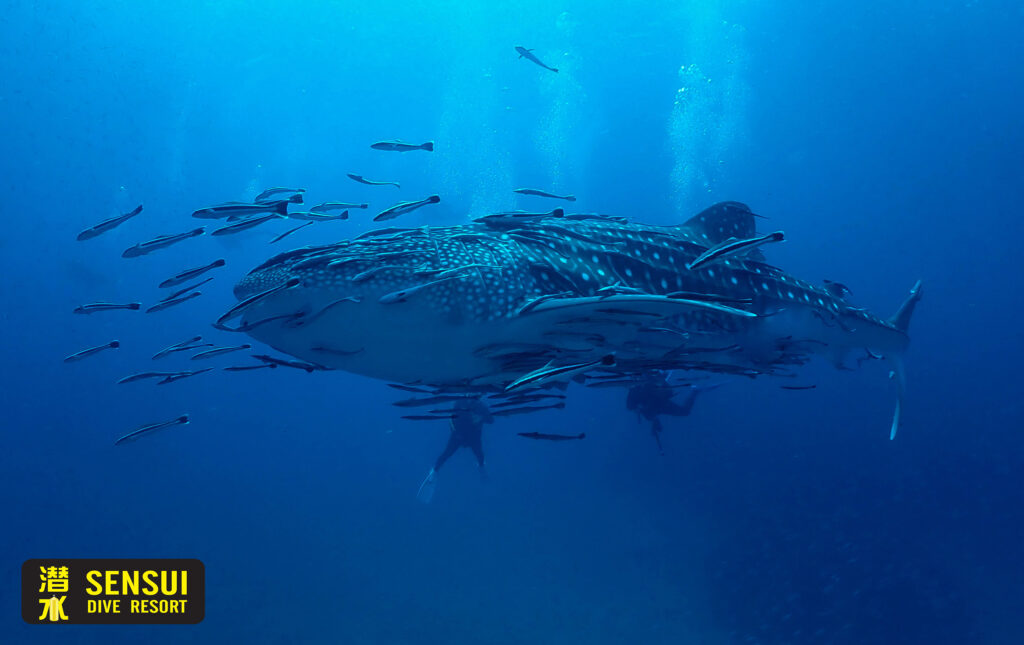
Despite growing up to 12 meters or more, these “Gentle Giants” are completely harmless filter-feeders that subsist entirely on microscopic plankton and small fish. They are naturally docile, curious, and remarkably trusting creatures. Every single whale shark carries a completely unique arrangement of pale yellow spots and stripes behind its gills. Because no two sharks have the exact same markings, these patterns act just like a human fingerprint, allowing marine biologists—and our dive team—to identify individual sharks, track their growth, and catalog their migration history.
Area, Habitat, and Population
The whale sharks visiting Chumphon belong to a transient, migratory population that traverses the Gulf of Thailand. They are drawn to our specific offshore waters due to deep-water upwellings that push massive concentrations of nutrients toward our isolated pinnacles. While islands like Koh Tao face immense diving traffic, Chumphon remains an uncrowded hidden gem. This low-density diving environment provides a stress-free habitat for the sharks, encouraging them to linger closer to our dive groups and remain in our marine ecosystem for longer periods of time.
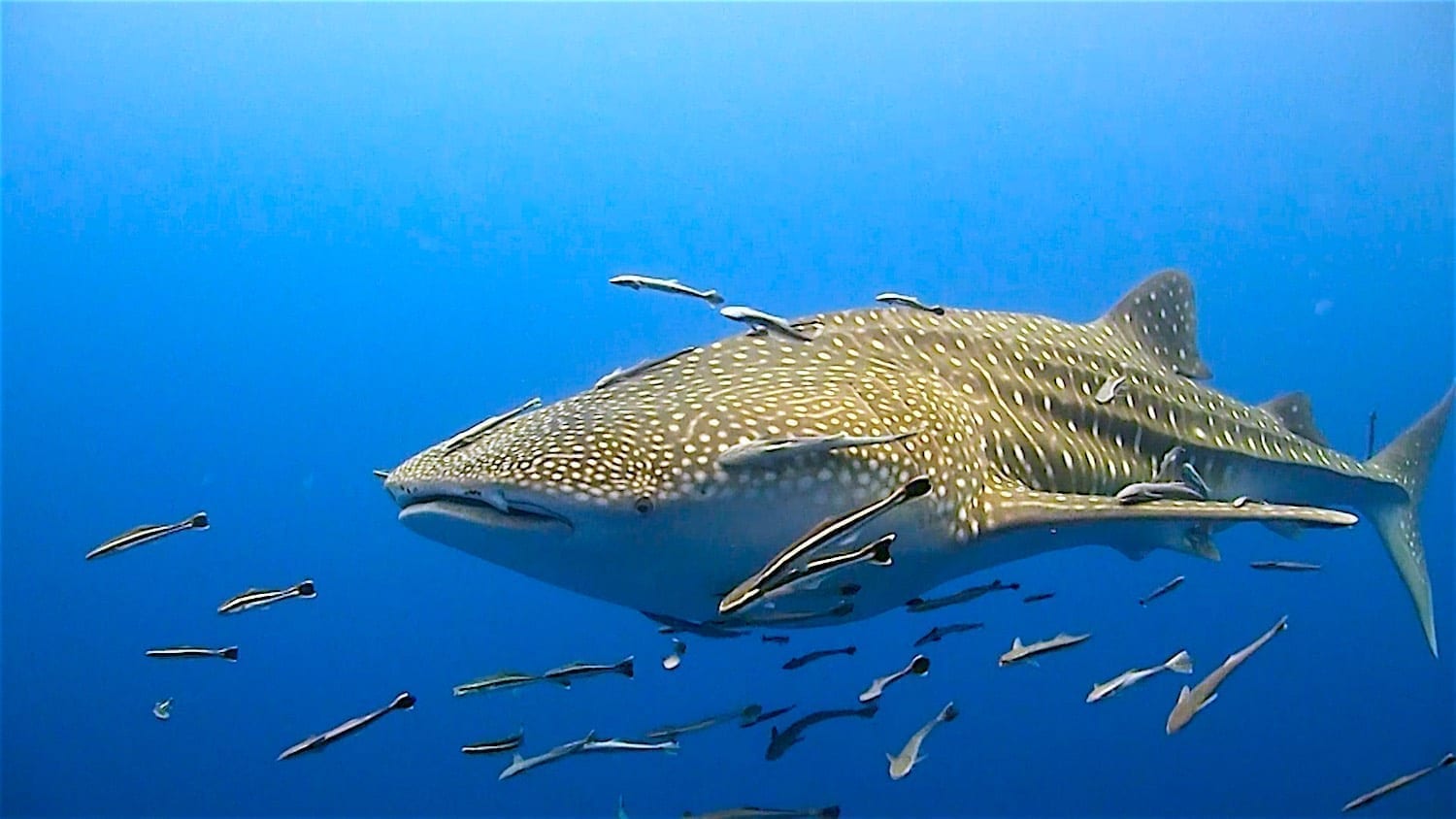
Rising water temperatures and shifting currents trigger early plankton accumulation, bringing the first majestic visitors of the year to our deepest offshore marine pinnacles.
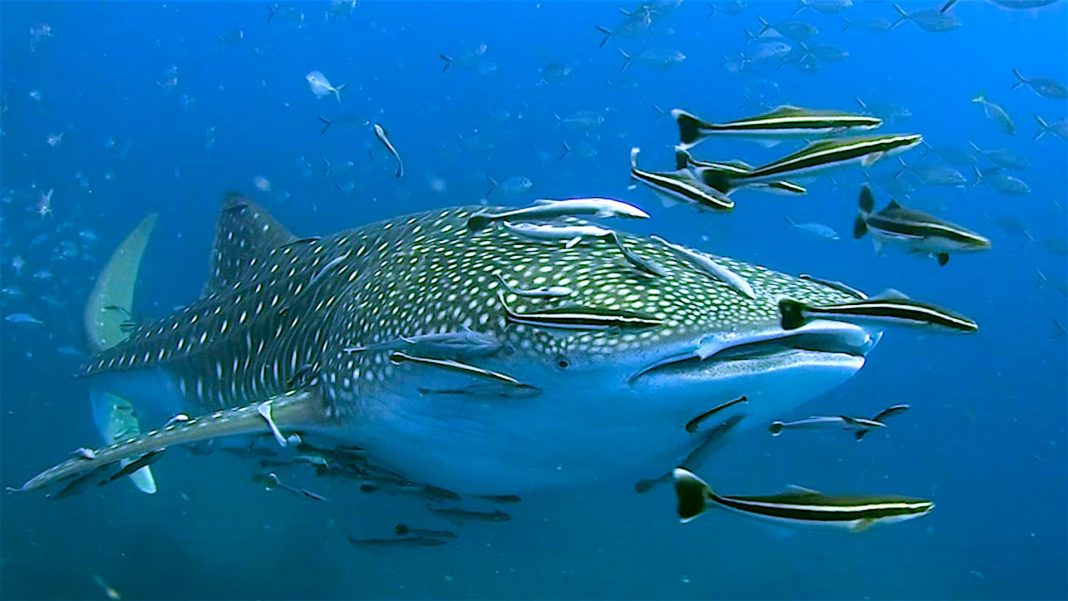
Large-scale plankton blooms transform the Chumphon marine zone into an abundant feeding ground. Sightings peak dramatically during these months, with multi-hour encounters being a regular highlight.
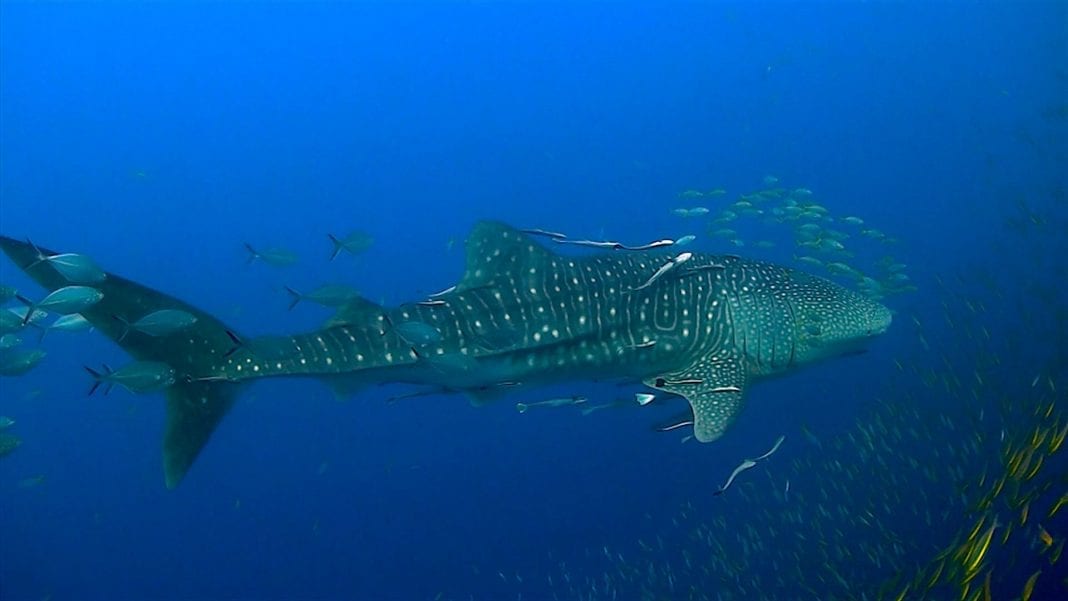
Resident whale sharks linger around deep rocky drop-offs. Encounters remain highly possible, shifting dynamically depending on weekly water clarity and localized thermal currents.
Featured Prime Dive Sites
HTMS Prab Wreck
A historic, decommissioned military shipwreck transformed into a thriving artificial reef ecosystem. It is a awe-inspiring sight to watch a massive whale shark glide over it.
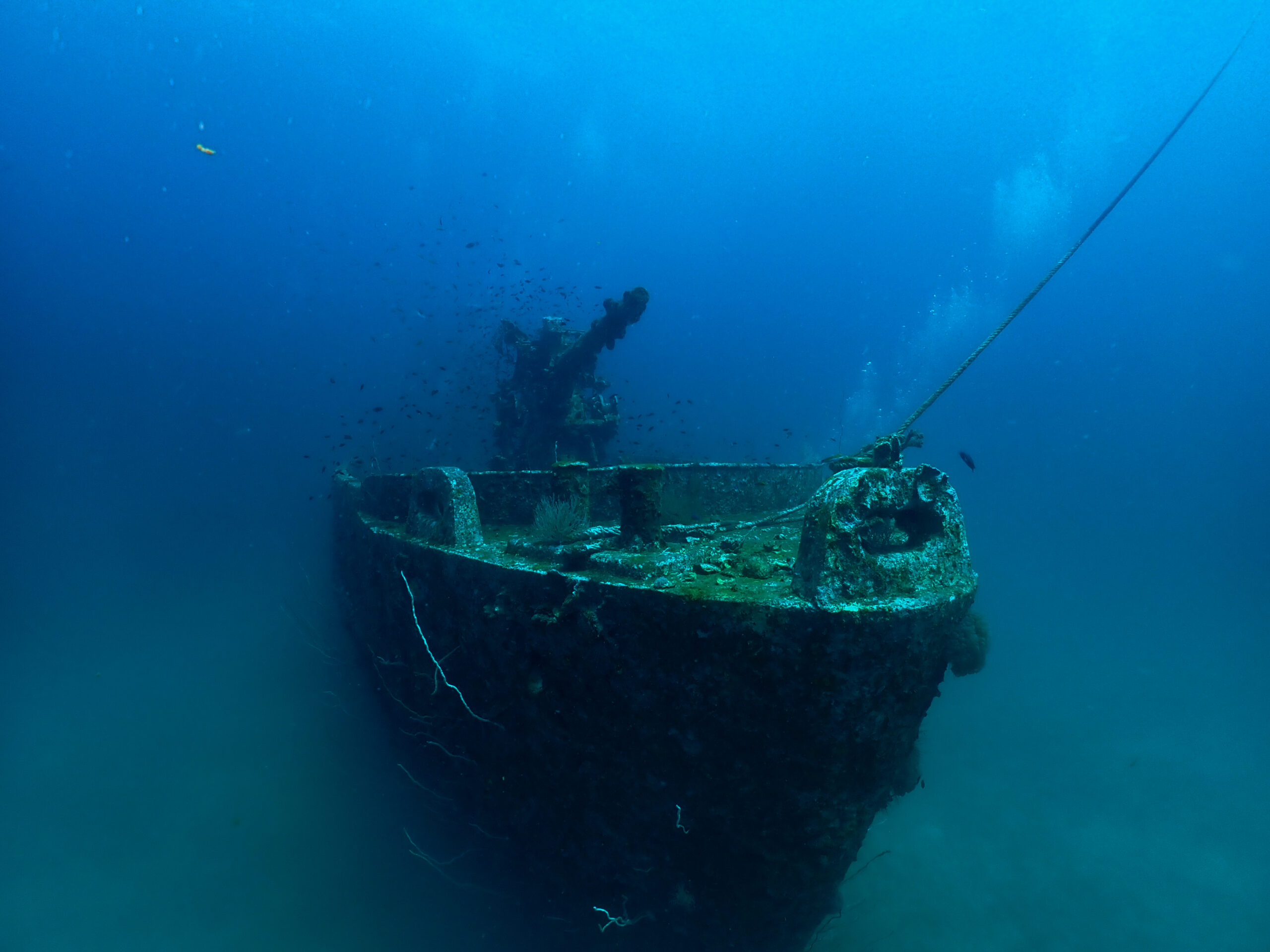
- Spectacular Artificial Reef
- Historic Military Shipwreck
- High-Nutrient Feeding Station
Hin Lak Ngam
The crown jewel pinnacle of Chumphon. Whale sharks frequently spend hours circling these nutrient-rich pinnacles, treating divers to breathtakingly close passes.
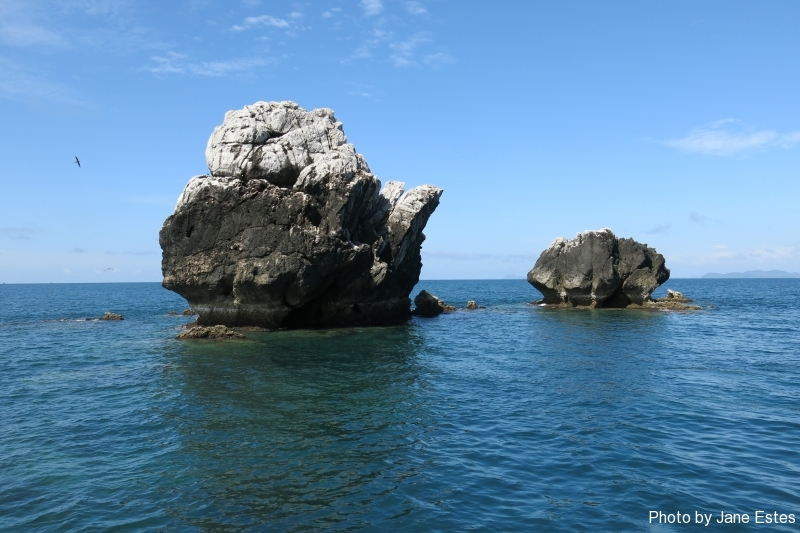
- Ultimate Vertical Pinnacle Site
- Striking Underwater Topography
- Absolute Whale Shark Favorite
Hin Pae
A shallower, sprawling reef structure bathed in gorgeous natural light. An ideal backdrop for underwater photographers looking to capture the whale sharks over the corals.
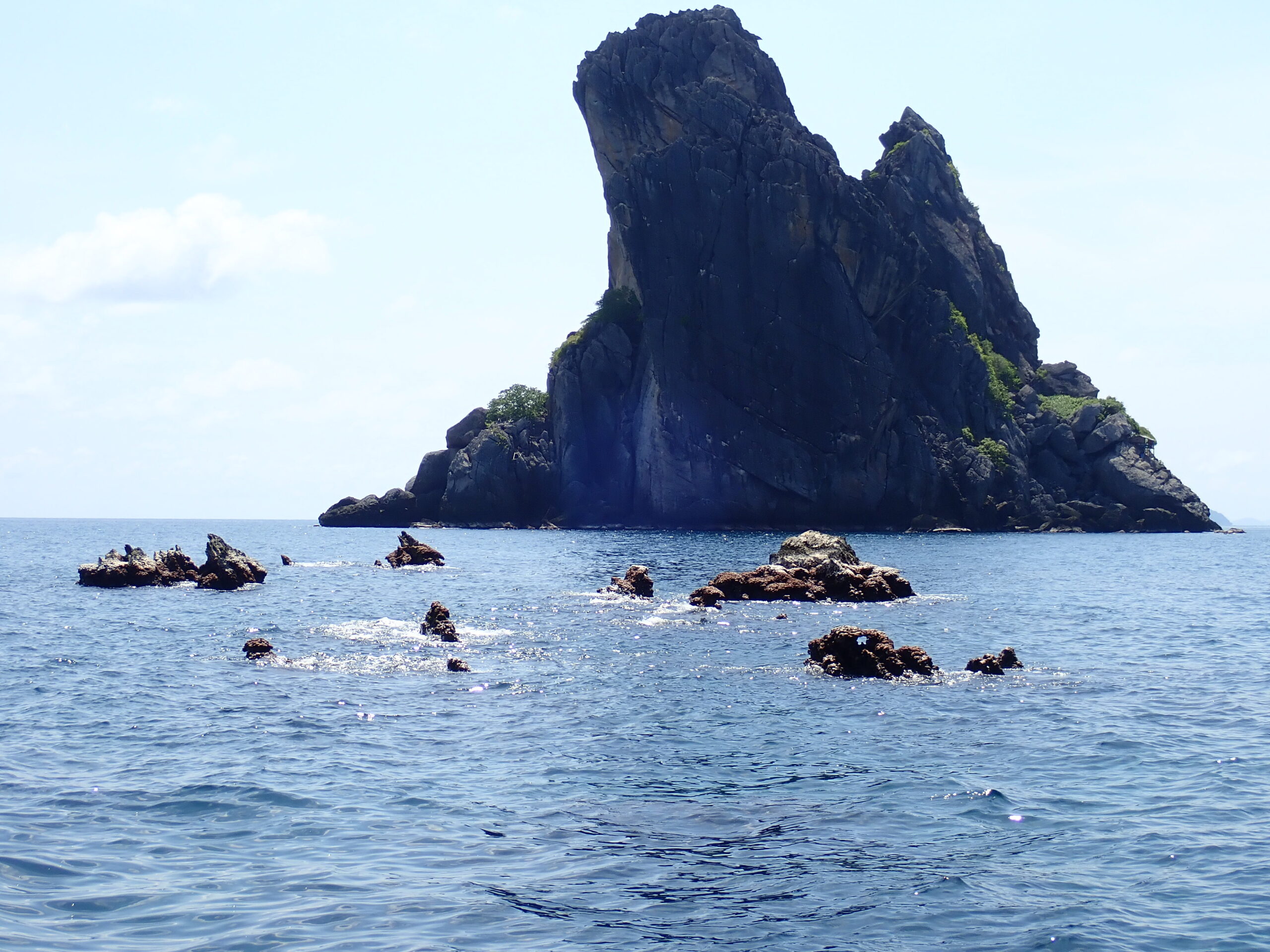
- Extended Shallow Sightings
- Perfect Natural Photography Light
- Extended Shallow Sightings
Encounters Guidelines
No Touching
Never attempt to touch, pet, or ride a whale shark. Physical contact can strip away their protective external mucus coating and transmit harmful bacteria
Keep Distance
Keep a strict distance of at least 3 to 4 meters from the shark’s flank, and remember to stay at least 5 meters away from the powerful tail section to avoid accidental contact
No Chasing
Do not swim aggressively directly at or chase a shark. If you remain completely still and calm, their natural curiosity will often cause them to pass right by you
Flash Off
All underwater cameras must have external strobes and flashes turned completely off. Sudden, intense bursts of artificial light can blind, startle, or distress the animal
Move Gently
Enter the water quietly without creating loud splashes. Avoid erratic swimming patterns or using noisy motorized underwater scooters anywhere near the sharks
Whale Shark Photo Guide
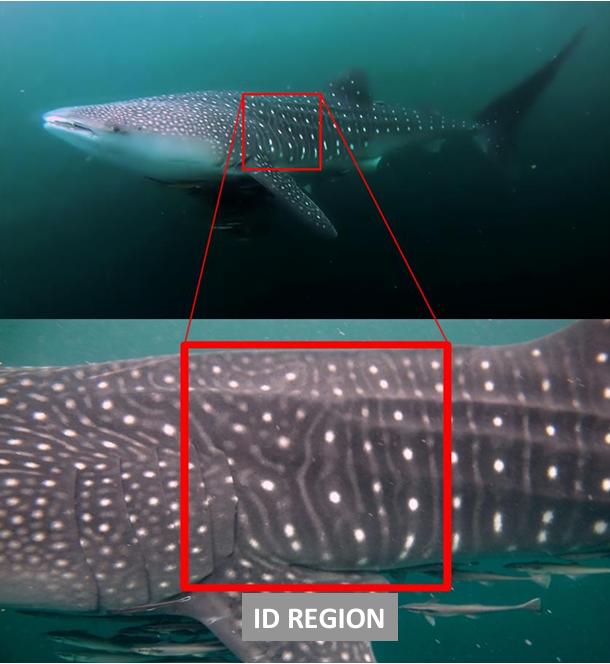
Every whale shark carries a completely unique pattern of spots—just like a human fingerprint. By taking a proper identification photo during your dive, you help our team track and recognize individual sharks returning to Chumphon year after year.
1. Target the ID Zone
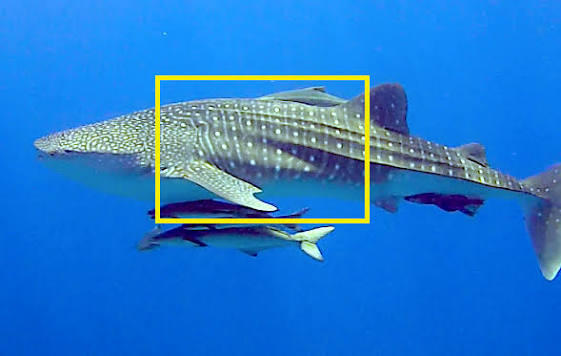
Aim your camera at the side of the shark. The critical “fingerprint” area is the flank directly behind the gills and above the pectoral fin. While the left side is the global standard, clear photos of either side are highly valuable.
2. Shoot Level and Flat
Try to capture the photo directly from the side at a 90-degree angle, rather than from above or below. Avoid angles that distort the spot patterns, as flat profiles allow mapping programs to read the markings accurately.
3. Note the Match
Keep track of your dive details. Note down the Date, Time, and Dive Site of your encounter. You can share your photos directly with our divemaster on the boat to help us update our live Sighting Log!
Sighting Log
| Date | Time | Dive Site |
|---|---|---|
| 5/4/25 | 1600HRS | Koh Ran Ped |
| 9/4/25 | 1230HRS | Hin Pae |
| 8/5/25 | 1100HRS | Sam Laem |
| 6/6/25 | 1330HRS | HTMS Prab |
| 24/6/25 | 1510HRS | Ngam Yai |
| 25/6/25 | 1100HRS | Hin Chedi |
| 13/7/25 | 1000HRS | Sam Laem |
| 17/7/25 | 1400HRS | Ngam Noi |
| 28/7/25 | 1530HRS | Hin Pae |
| 30/7/25 | 1215HRS | Hin Pae |
| 31/7/25 | 1300HRS | Hin Lak Ngam |
| 2/8/25 | 1300HRS | Ngam Noi |
| 4/8/25 | 1030HRS | Sam Laem |
| 8/8/25 | 1140HRS | Hin Pae |
| 10/8/25 | 1520HRS | HTMS Prab |
| 18/8/25 | 1220HRS | Hin Pae |
| 16/8/25 | 1230HRS | HTMS Prab |
| 17/8/25 | 1210HRS | HTMS Prab, Ngam Noi |
| 28/8/25 | 1230HRS | HTMS Prab, Ngam Noi |
| 31/8/25 | 1530HRS | HTMS Prab |
| 6/9/25 | 1330HRS | Hin Pae |
| 7/9/25 | 1330HRS | HTMS Prab, Ngam Noi |
| 8/9/25 | 1240HRS | Ngam Noi East |
| 11/9/25 | 1510HRS | HTMS Prab, Ngam Noi |
| 13/9/25 | 1225HRS | HTMS Prab |
| 27/9/25 | 1320HRS | Ran Ped |
| 28/9/25 | 1100HRS | Ngam Noi |
| 12/10/25 | 1220HRS | Hin Pae |